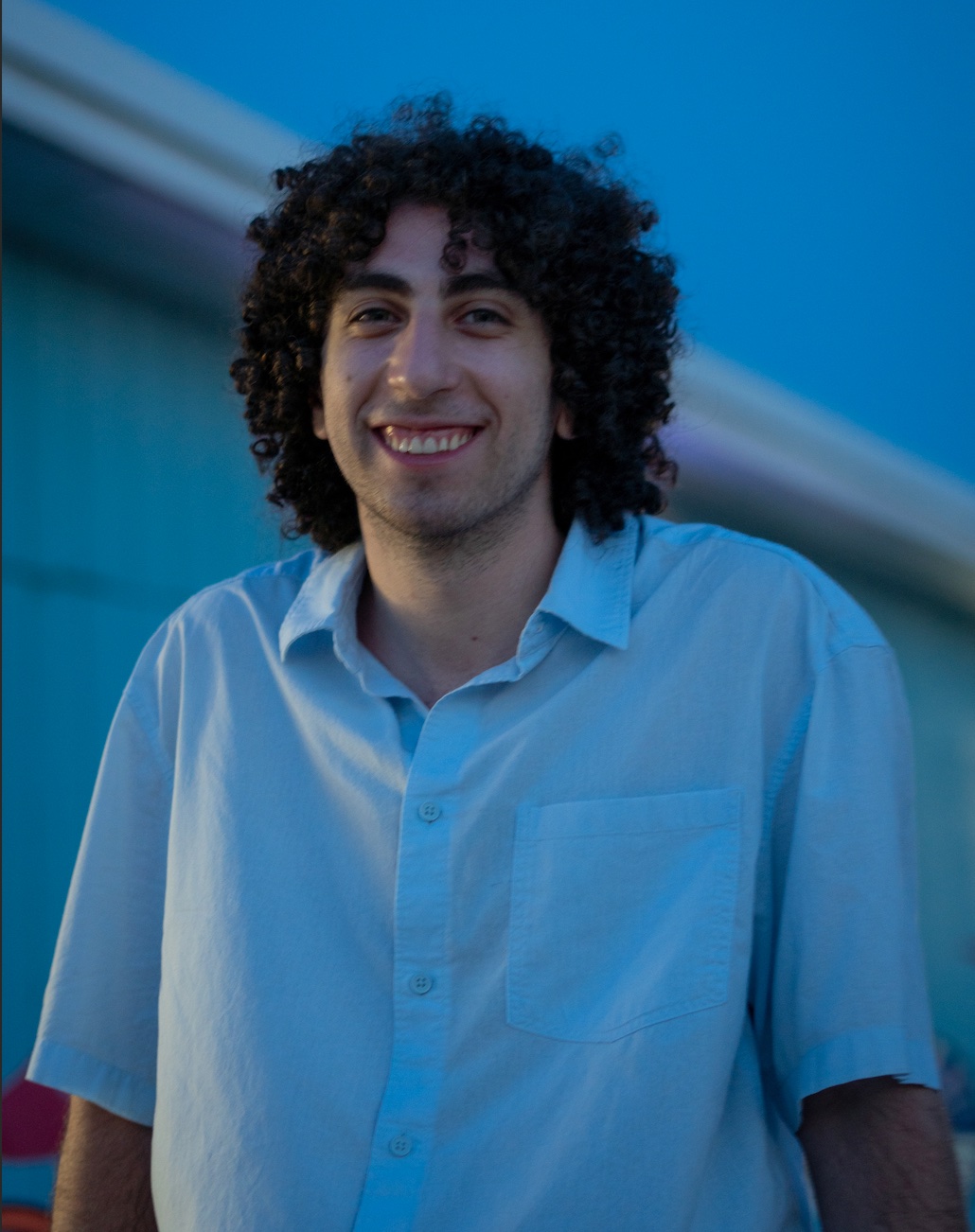
Student: Tony El Nemer
Concentrations: Computer Science and Cognitive and Psychological Sciences
Labs: Frank and Shenhav labs
Postdoctoral mentor: Debbie Yee
Thesis: For my senior honors thesis, I studied how our sense of control over a stressor shapes how we learn about safety and threat. I developed a task where participants perform mentally challenging puzzles while encountering mild stress. I built this study entirely from the ground up, writing the code, designing the protocols and using my results to build computational models of the cognitive mechanisms driving people’s performance and affect. I've had the opportunity to present this work at the Society of Biological Psychiatry in New York and at the Brown University Summer Research Symposium. By mapping out how different environments disrupt our ability to exert cognitive control and learn when we are safe or not, I hope my research can aid in designing more effective clinical interventions that help trauma-exposed individuals rebuild their sense of safety.
Why I ❤️ the Open Curriculum: As a freshman, I explored everything I could, taking classes in international law, geology, computer science, and neuroscience. I thought I wanted to pursue geophysics which led to an internship with the United Nations Satellite Centre in Geneva, where I used remote sensing to map refugee shelters and conduct disaster risk assessments. As a first-generation college student from a Lebanese immigrant family, I felt deeply connected to this work, but realized I wanted to focus directly on the human condition. Concentrating in both Psychology and Computer Science allowed me to design studies that observe behavioral effects and to understand and model the mechanisms driving them. The Open Curriculum also gave me the flexibility to pursue community-based work through Brown Refugee Youth Tutoring and Enrichment, and internships at Dorcas International and Bradley Hospital’s partial hospitalization program.
What’s next? My postdoctoral mentor, Debbie Yee, is starting her own faculty research lab at the University of Iowa, and I will be this new lab’s manager. This role will serve as a bridge to my long-term goal of pursuing a PhD in clinical psychology to study how early-life adversity shapes trajectories across the lifespan in marginalized communities. Ultimately, I hope to combine computational psychiatry, community work and developmental science to create scalable, trauma-informed interventions for youth.