Eight years ago, Dr. Edward Huey was frustrated to see his frontotemporal dementia (FTD) patients excluded from a promising drug trial. The drug targeted a C9orf72 gene mutation—a common cause of both inherited FTD and amyotrophic lateral sclerosis (ALS). It isn’t known why the same gene mutation causes one or the other, but the treatment had the potential to slow progression of disease.
However, the trial was open only to people with ALS, which is characterized by motor symptoms –– including deterioration of movement, swallowing, and speech –– that were easier to measure than the range of cognitive and behavioral symptoms typical of FTD.
"There was no biological reason to turn away FTD patients," said Huey, director of the Memory and Aging Program at Butler Hospital and Martin M. Zucker Professor of Psychiatry and Human Behavior at Brown University. "It was simply that we weren't yet good enough at measuring their symptoms. I did not want to see my FTD patients left out of a trial like that again."
A new multi-site, NIH study will help bring this vision to reality. Using longitudinal data from 330 pre- or early-symptomatic carriers of the C9orf72 mutation, Huey and collaborators will identify biomarkers and clinical measures to help predict whether, and why, someone with the mutation will go on to develop ALS or FTD, while also determining early behavioral and motor signs of disease onset.
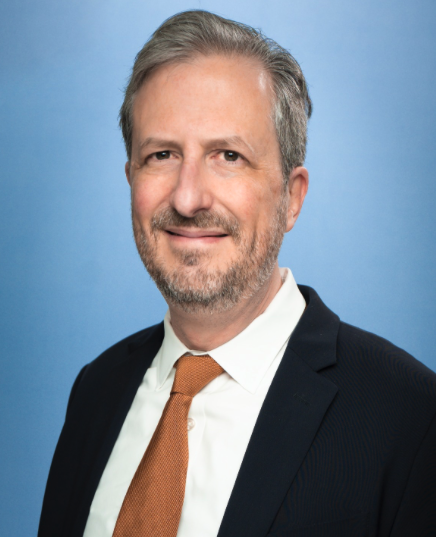
The study, led by Dr. Michael Benatar at the University of Miami, brings together FTD and ALS clinicians and researchers across 13 institutions, including Brown, the University of Pennsylvania, and Johns Hopkins University. It will be the first study to treat ALS and FTD as a single disease continuum rather than separate conditions.
"We're treating it as one illness spectrum from ALS to FTD," said Huey, who will lead the cognitive and behavioral phenotyping of the participants.
Just as mild memory impairment serves as a clinical predictor for Alzheimer's disease, the team will measure mild motor, cognitive and behavioral impairment, in combination with imaging and fluid biomarkers, to create a “risk score” predicting conversion to ALS or FTD.
The study is a critical step toward developing drug trials for the ALS-FTD spectrum of disorders and achieving earlier, more accurate diagnoses. ("For example, FTD patients are very frequently misdiagnosed as having other illnesses," Huey said.) Huey emphasized that the findings will provide an important window into sporadic forms of ALS and FTD, which comprise the majority of cases.
He hopes the study will shed light on other debilitating conditions as well.
"This study could facilitate the development of a genetically based treatment for a devastating neurodegenerative disease," said Huey, who also treats patients with mutations linked to Alzheimer's disease. "Clearly, there are connections we need to understand, but as we learn more about these genetic disorders, they can help inform treatments for people with sporadic illness and other neurodegenerative diseases."