Seven Brown University Ph.D. candidates have been named recipients of the Carney Institute's 2026 – 2027 Graduate Awards in Brain Science, recognizing their exceptional contributions to brain science research.
“The graduate awards program is Carney's internal fellowship for graduate students at Brown,” said Kristin Webster, Carney’s associate director of training and development. “Creating a diverse, welcoming and stellar training environment is one of the three pillars of the Carney Institute mission. We can't be doing excellent brain science without training the next generation of brain scientists.”
With funding from the Dana Foundation, the Carney Graduate Awards have helped more than 100 students complete their dissertation research since 2001. The fellowship provides up to $62,000 in costs associated with graduate student stipends, health insurance and health services fees for students not receiving external support. It also provides awardees with $2,000 in funds that can be used to support professional development.
According to Webster, the application process is a valuable professional development exercise, giving candidates experience drafting fellowships and presenting their science to a review committee. Award recipients are selected by a panel of faculty and postdocs, who evaluate submissions based on research statement, project proposal and letters of recommendation.
“What's so wonderful about this program is it represents the full range of people conducting brain science research at Brown,” Webster said. “That range and diversity of methods and questions people are asking to study the brain really are at the heart of what the Carney Institute is trying to do in cultivating a community where anyone asking questions about the brain is welcome."
The call for applications for next year’s awards will be in January 2027.
This year’s awardees describe their Ph.D. theses below:
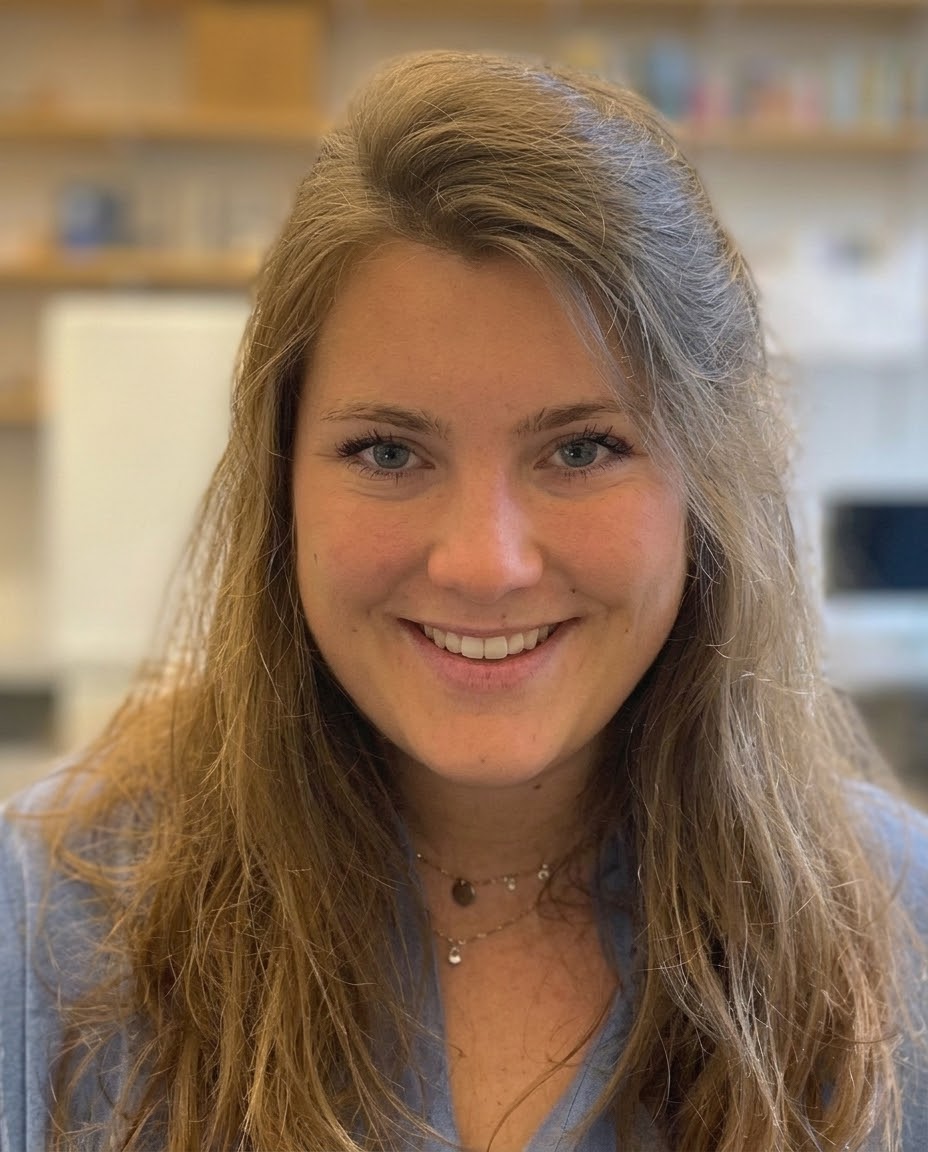
Daantje de Bruin, “Exploring the underpinnings of political polarization through emotion, interpretation and social interaction,” supported by the Robin Chemers Neustein Graduate Fellowship and the David Mahoney Research Fund.
Emotion plays an important role in political polarization. de Bruin’s research focuses on trying to understand what drives this polarization by looking at the brain through behavioral studies and neurophysical studies, which require the use of skin conductors and eye tracking.
At the macro level, de Bruin investigates if peoples’ beliefs influence their social networks, such as whether people befriend those who are similar in their ideology and whether people are influenced by their friends’ ideologies.
de Bruin explained that the question of interest is if people with different beliefs actually process things differently or if they interpret the same information differently. To do this, participants watching real world political content are simultaneously scanned by fMRI to find political polarization at the neural level.
At the individual level, de Bruin studies if “certain cognitive characteristics can make you more prone for extreme beliefs.” Her research seeks to find a relationship between people who are skilled at differentiating between emotions and how much they support extreme political beliefs.
“My work lies at the intersection of a lot of different domains,” de Bruin said. For her, this graduate award is an opportunity towards “formalizing those collaborations and those interdisciplinary collaborations.”
This work is being conducted in the FeldmanHall Lab under the advisement of Oriel FeldmanHall.
_________________________________________________________
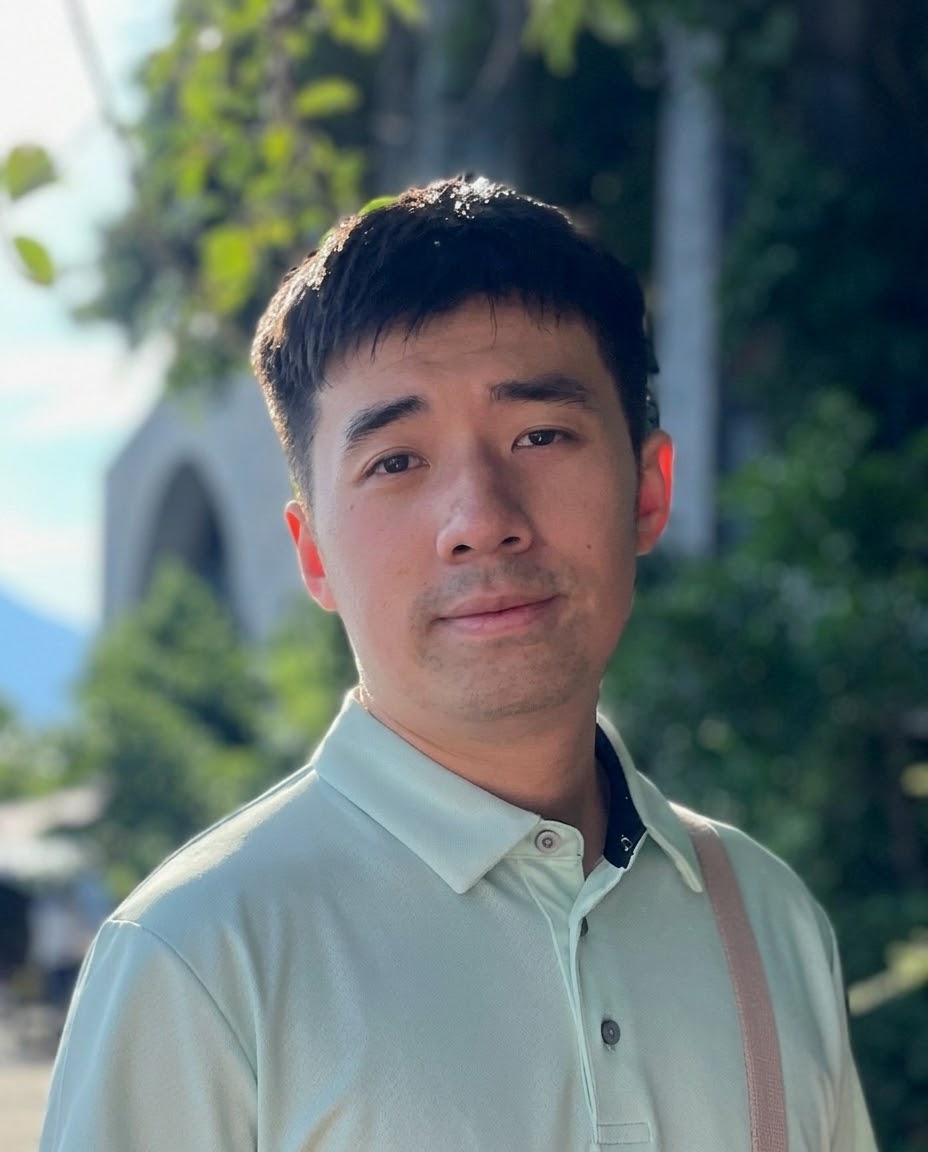
Ruixiang Li, “Unveiling Contextual Information in Intracortical BCIs through Geometric and Topological Models,” supported by the David Mahoney Research Fund.
Brain computer interfaces (BCIs) allow people to use their minds to control something rather than using their body. For example, Li pointed to the example of a computer mouse: “Instead of trying to control a mouse to move the cursor on screen, I'm imagining the movements of the cursor.”
In the example of the mouse, the cursor moves in two dimensions, with controls being left, right, up and down. Li’s research seeks to better understand how visual information such as changing the two dimensional surface to a three dimensional one such as a sphere affects the neural activity.
This geometric context changes how the person visually encodes their movement. According to Li, “Although the movement is two dimensional, we have some extra information like the curved surface.” The key question of his research is how that information is recorded in the motor cortex. Li’s research also looks at how motor adaptation differs with changes in geometries.
Li added that this graduate award will put “less pressure” on his project, “whether it's about conducting the research itself or going to different conferences or participating in different seminars.”
This work is being conducted in the Hochberg Lab under the advisement of Leigh Hochberg.
_________________________________________________________

Julia Gangemi, “Development and Clinical Evaluation of a Patient-Centered Spinal Interface for Neuromodulation Therapy in Individuals with Spinal Cord Injury,” supported by the JBB Endowed Graduate Fellowship in Brain Science and David Mahoney Research Fund.
Patients with spinal cord injuries often have to stay in the hospital for upwards of two weeks for constant monitoring. Gangemi’s research seeks to create a more “patient centered at-home platform” for spinal cord injury patients by placing spinal implants above and below the injury.
According to Gangemi, the two epidural spinal implants help “bridge the gap over the spinal cord injury” through digital communication. These implants will allow researchers to stimulate and record the spinal cord.
After finishing a two week feasibility trial, Gangemi’s team is gearing up towards a longer at-home study where implanted patients can go home and “go back to their daily lives” while researchers can test different stimulation therapies over longer periods of time.
After experiencing a spinal cord injury herself, Gangemi saw a “big gap in what sort of technologies are offered for people or available for people to use, even in their own homes.” Through this research, her hope is to close the distance between the technologies that patients need and what is currently available to them.
For Gangemi, this graduate award is important for “moving this work into real world settings.” The award will help fund her research transition from the clinic to patients’ everyday lives.
This work is being conducted in the Borton Lab under the advisement of David Borton.
_________________________________________________________
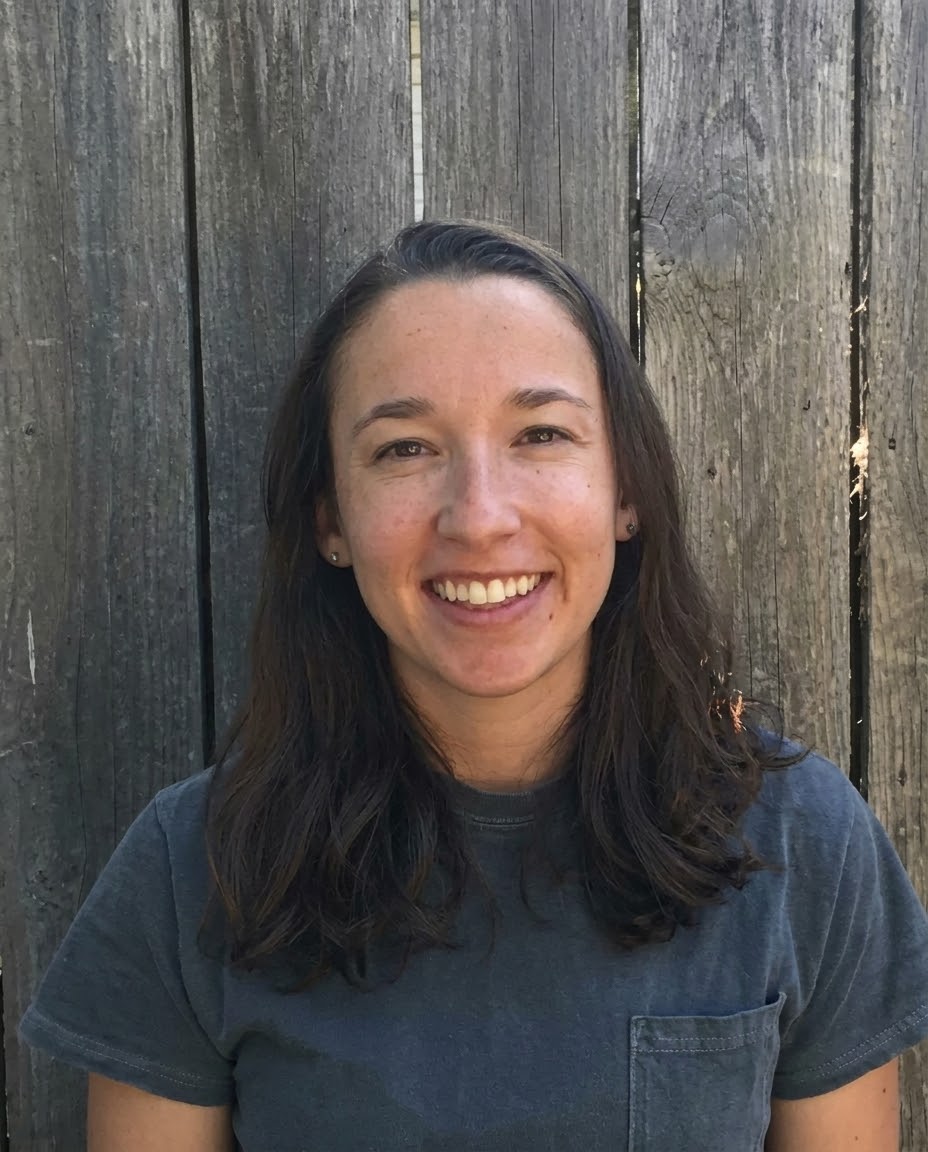
Andrea Schmidt, “Rewiring STING Signaling in Brain Endothelial Cells Through Kinase and Transcriptional Networks,” supported by the Charles Dana Graduate Fellowship and Dr. Daniel C. Cooper Graduate Award.
Within the human body, sensors turn on when a problem is detected to kick the immune system into gear. In cancer specifically, tumors can find ways to avoid turning the immune system on. Schmidt’s research seeks to “trick” the immune system into turning on when given certain drugs.
“A big theme in my research is trying to look at drugs that are already FDA approved for other things, trying to see how they affect the pathway that I'm interested in these innate immune pathways,” Schmidt said. To do this, Schmidt looks at brain endothelial cells, which line blood vessels.
“I look at those cells and how we can treat them instead of the tumor cells themselves, and maybe that's enough to get a good anti-tumor response,” Schmidt added. In her research, Schmidt studies growth factor pathways in endothelial cells and their interactions with immune signaling pathways to develop therapies for cancer, brain infections and more.
For example, Schmidt explained, “This drug might work because it's talking to this pathway, and if we combine these two drugs, we'll see a better response, because if we turn this pathway on, this other one over here is still going to shut it down.”
For Schmidt, the graduate award was important because it allowed her to continue her research without sacrificing the quality and depth of her project. She added, “This has just really given me the time to tease out more of those experiments and questions.”
This work is being conducted in the Lawler Lab under the advisement of Sean Lawler.
_________________________________________________________
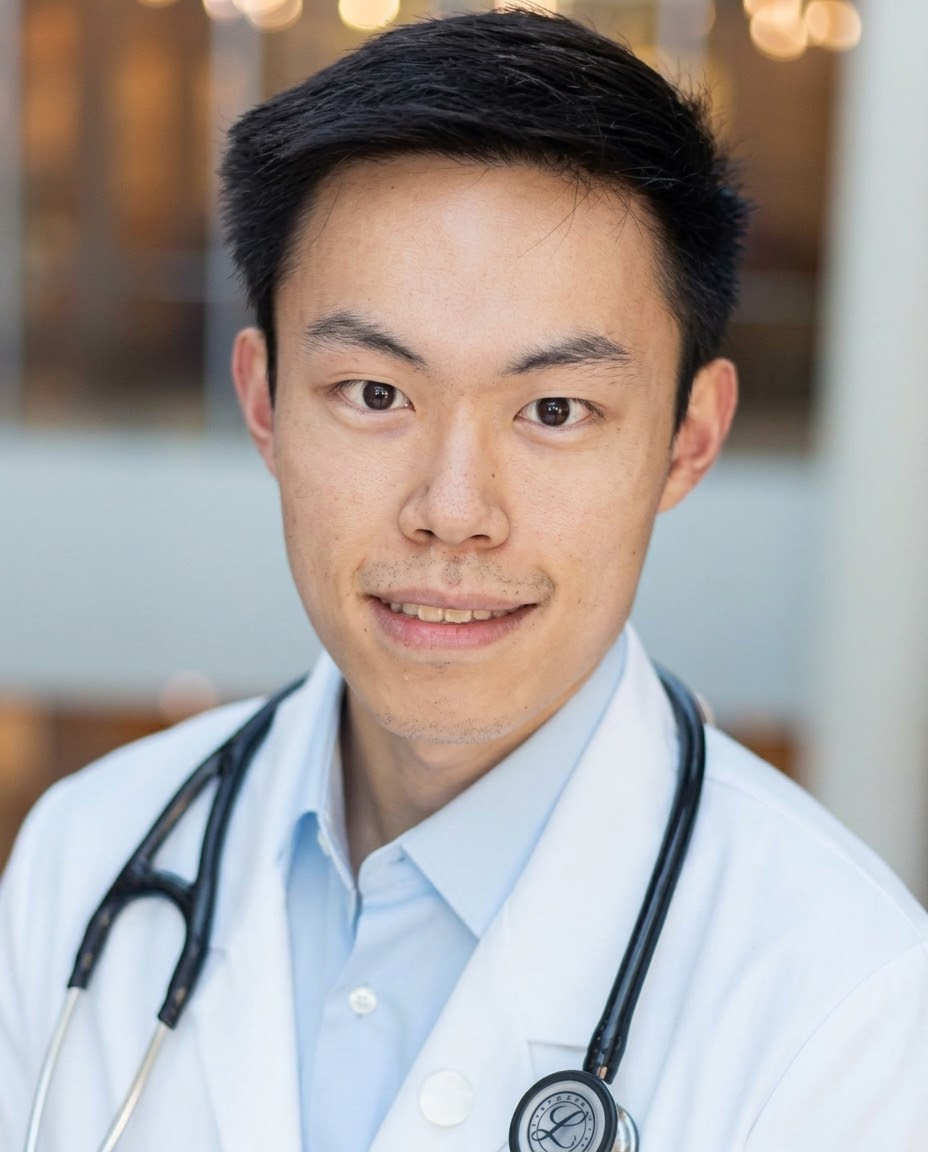
Joshua Wu, “Elucidating the Transcriptional Mechanisms of Microglia Regulation and How They Contribute to Alzheimer's Disease Pathogenesis,” supported by the David Mahoney Research Fund and Gordon S. Macklin '50 Endowed Fellowship.
Microglia are a type of immune cells in the central nervous system, and when activated, drive neuroinflammation and kickstarts the process of tau tangling. It is believed that by the time Alzheimer’s manifests itself in amyloid plaques, or tau tangles, the disease has progressed to a stage that is virtually irreversible.
According to Wu, “Iif you look at the current modalities for treating Alzheimer's disease, they tend to be neutralizing antibodies targeting these plaques or tangles, and to be honest, the results are modest at best, and they often come with really serious side effects.”
Wu’s work seeks to study Alzheimer’s in a way that doesn’t “pigeonhole” researchers by looking at upstream activity. While most researchers focus on trying to clear amyloid plaques and tau tangles, Wu explained that “the things that occur much earlier on,” such as microglia dysregulation, are contributing factors in Alzheimer’s and other types of dementia.
Additionally, when cancer patients undergo radiation therapy, their spinal cords and brains can get damaged and trigger neuroinflammation. In this way, Wu’s research has the potential to impact clinical and translational settings.
This graduate award will allow Wu to “pursue more innovative ideas that could be slightly more risky.” He added that these ideas, if successful, “definitely allows a much bigger jump or yields a much bigger discovery.”
This work is being conducted in the Huang Lab under the advisement of Alvin Huang.
_________________________________________________________

Lakshmi Prakash, “Intrinsic developmental programs underlying Commissural neuron midline crossing,” supported by the Robin Chemers Neustein Graduate Fellowship and Charles Dana Graduate Fellowship.
During embryonic development, the brain forms bilateral connections that allow its left and right sides to coordinate—for instance, enabling both eyes or hands to work together seamlessly. Proper synchronization of these circuits is critical for smooth, coordinated movement.
Prakash’s research aims to study a specific group of neurons called commissural neurons, which are important for “establishing bilateral connectivity and looking into what exactly is the molecular mechanism regulating these circuits.”
When looking at the clinical implications of Prakash’s research, she noted that the specific molecule she studies, ROBO3, can provide insight into rare human disorders such as horizontal gaze palsy and scoliosis.
“This gene is studied in terms of autism and many other neurodevelopmental disorders,” Prakash explained. She also mentioned that a developing field adjacent to her work applies neurodevelopmental concepts to spinal cord regeneration, and that work on ROBO3 could soon be applied to this field.
As an international student, Prakash noted that the graduate award “is actually a great opportunity for me because I can contribute a little bit into my research and also this can be helpful for professional development in terms of attending conferences or maybe going for some classes, which can be important to steer my project forward.”
This work is being conducted in the Jaworski Lab under the advisement of Alex Jaworski.
_________________________________________________________
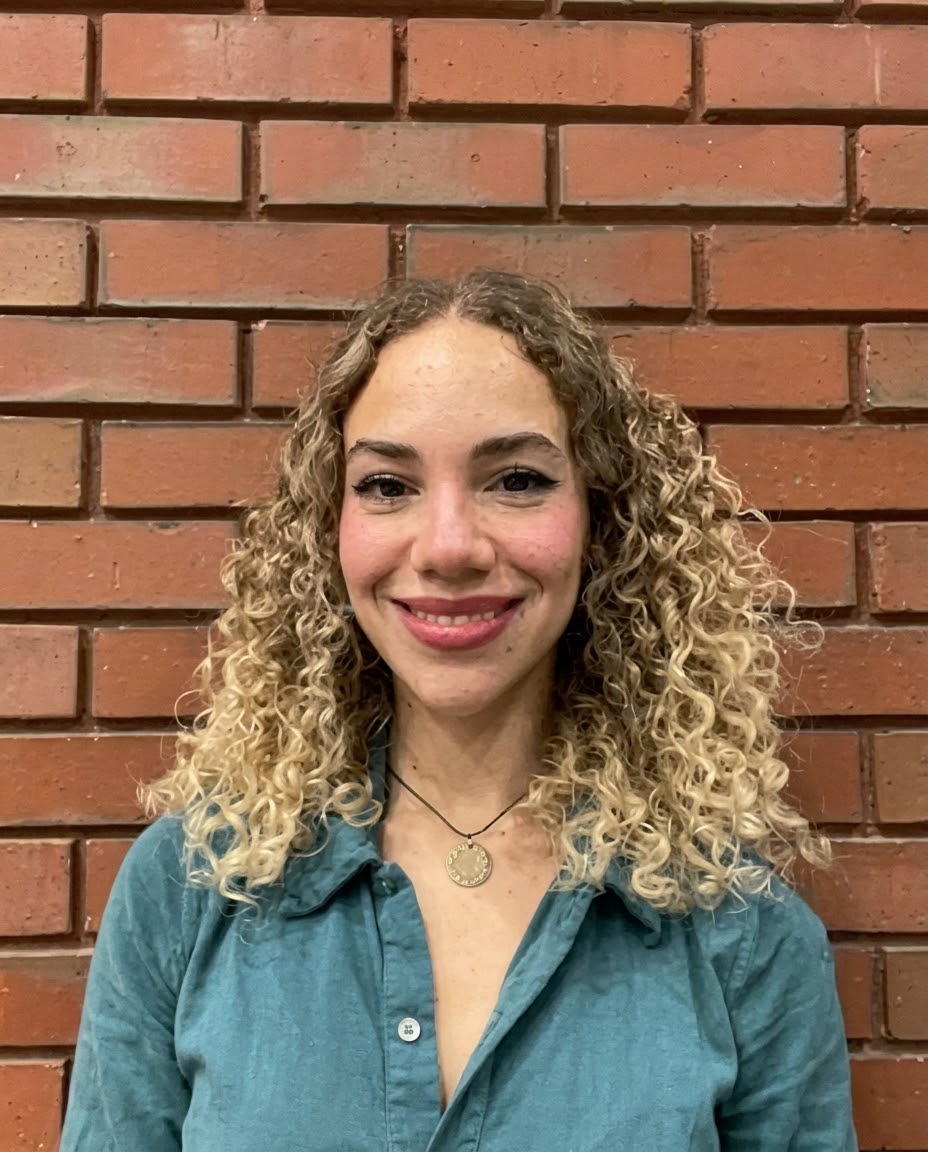
Sara Rios Mendez, “Defining Neuronal Gene Expression Changes Driven by Oligodendrocytes,” supported by the Dr. Achilles Frangistas Fund For Neurodegeneration Research.
There are two major kinds of cells in the central nervous system: neurons and glia, which support and regulate neuronal function. Special kinds of glial cells, called oligodendrocytes, produce myelin, an insulating membrane that allows electrical signals to travel quickly along neuronal axons.
Rios Mendez’s research aims to address the broader role of myelin in the central nervous system. “In recent years we've also found that myelin supports neuronal metabolism,” Rios Mendez explained. She added that myelin “can protect neurons from degeneration and even can contribute to learning and memory, and other kinds of plasticity.”
By looking at the impact of myelin on neuronal gene expression, Rios Mendez hopes to determine “whether some of these broader roles of myelin outside of just electrical impulse conduction is mediated by changes in the neuronal transcriptome.”
Especially since historically, glial cells have not been studied as much as neurons, Rios Mendez’s research will contribute to “shifting neuroscience towards a more integrated view of brain function that recognizes glial cells not just as passive support cells, but as more active regulators of neuronal health, function and plasticity.”
The graduate award has given Rios Mendez not only the resources to continue with her research, but also “a lot of stability,” especially during “these times of so much uncertainty.”
This work is being conducted in the Mayoral Lab under the advisement of Sonia Mayoral.
_________________________________________________________
As this year’s cohort advances their dissertation research, the Carney Institute looks forward to supporting the next generation of innovators whose work will shape the future of neuroscience.